
Styles of Hearing Aids
From virtually invisible in-canal devices to powerful behind-the-ear models, each style is designed for different degrees of hearing loss and lifestyle needs
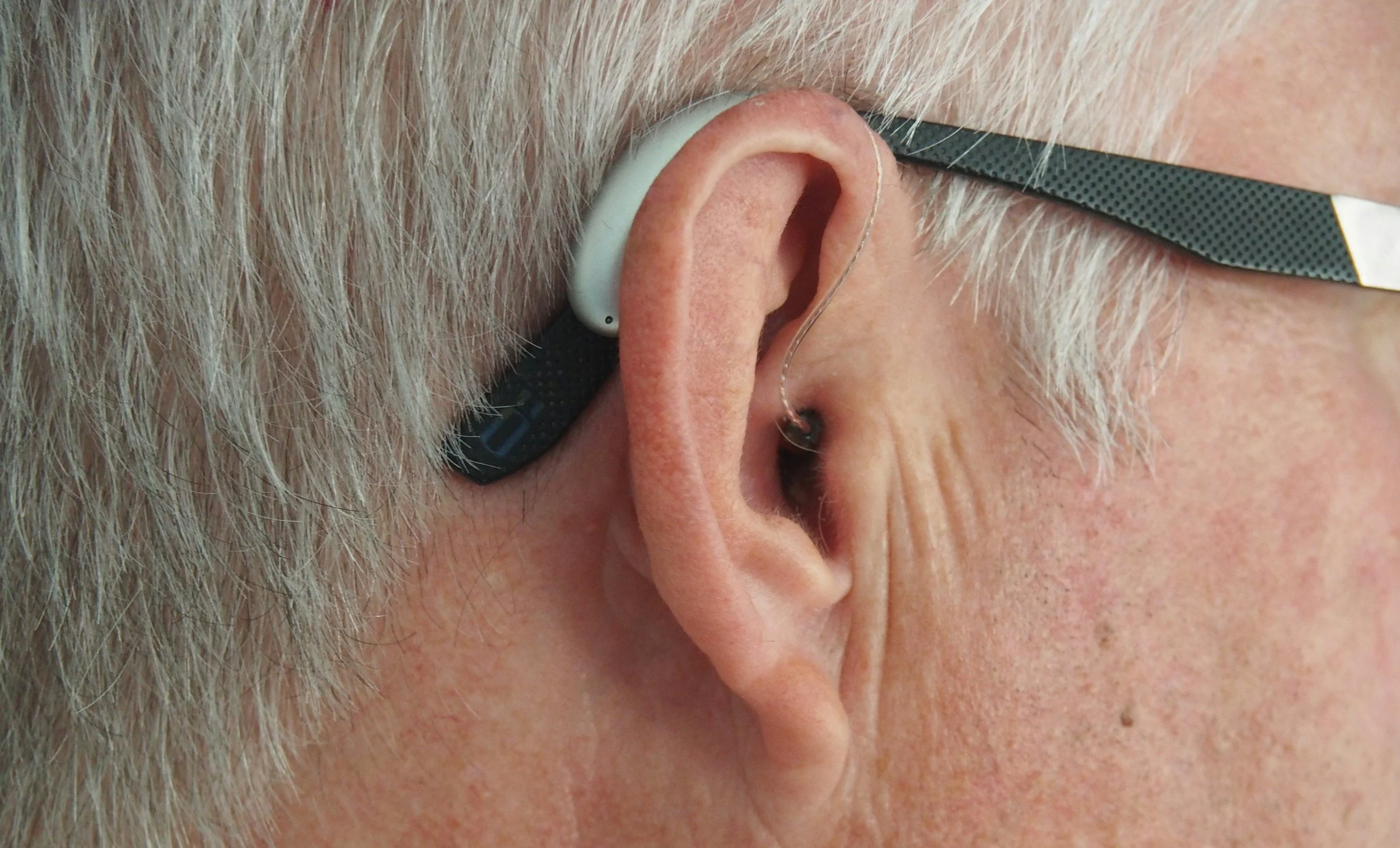
Receiver-in-the-Canal (RIC)
The most popular style today. A slim housing sits behind the ear, with a thin wire delivering sound directly to a receiver (speaker) inside the ear canal. Offers excellent sound quality, discreet wear, and Bluetooth connectivity to most cell phones.
Most versatile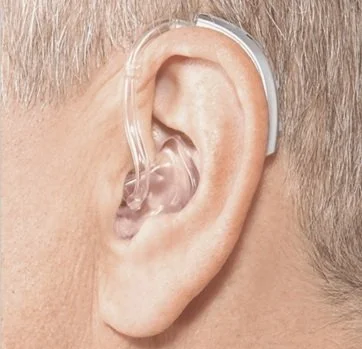
Behind-the-Ear (BTE)
A larger device that hooks over the ear and connects to a custom earmold via tubing. Highly durable and suitable for nearly all degrees of hearing loss, including severe to profound loss.
Most powerful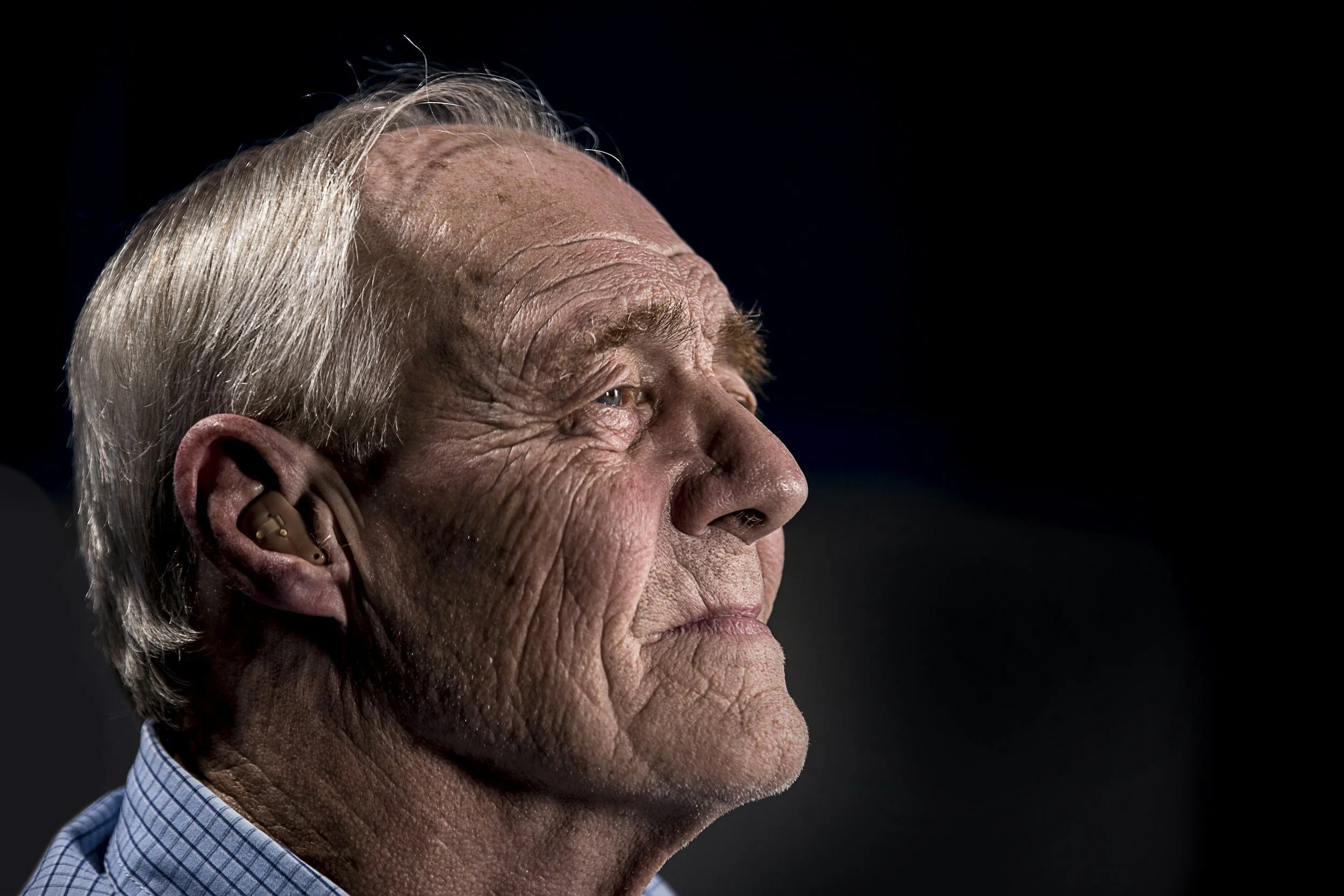
Custom Devices
Custom moldedAll custom styles are molded to your exact ear canal shape and sit entirely within the ear—no component rests behind the ear. They range in size from filling the whole ear to completely inside the ear canal, and are best suited for mild to moderate hearing loss. Smaller sizes offer greater cosmetic appeal but fewer features and shorter battery life.
Hearing Aid Manufacturers
We work with all major prescription hearing aid manufacturers. Your audiologist will match you with a brand based on your specific hearing needs, lifestyle, and budget.
Hearing Aid Selection
Choosing a hearing aid isn't a transaction—it's a clinical decision guided by your unique audiogram, anatomy, lifestyle, and goals.
01 Comprehensive Audiological Evaluation
Your audiologist conducts pure-tone audiometry, speech recognition testing, and middle ear assessment to build a complete picture of your hearing across all frequencies. This audiogram is the cornerstone of every decision that follows.
02 Degree & Configuration of Hearing Loss
The shape and severity of your hearing loss determine which hearing aid styles and power levels are appropriate. An audiologist also considers whether the loss affects one or both ears.
03 Lifestyle & Communication Needs Assessment
A detailed intake interview explores where you struggle most—noisy restaurants, phone calls, TV, work meetings, for example—and establishes your activity level, manual dexterity, and technology comfort. Active social lives call for different solutions than quieter routines.
04 Ear Canal Anatomy
Physical examination of the ear canal determines whether a custom in-the-ear device is anatomically feasible, or whether a behind-the-ear style with a stock or custom earmold is more appropriate.
05 Technology Level & Features
Based on your lifestyle complexity, your audiologist recommends a technology tier and specific features such as rechargeable batteries, Bluetooth streaming, tinnitus masking, or direct connectivity to phones, TVs, and remote microphones.
Hearing Aid Programming & Real-Ear Verification
Accurate programming is what separates a hearing aid that's worn in a drawer from one that transforms daily communication. Here's how we do it right.
Why Programming Matters
Every hearing aid leaves the manufacturer as a programmable platform—not a finished product. Without precise fitting, even the most advanced technology will fail to meet your specific hearing needs. Programming translates your audiogram into a customized frequency-by-frequency prescription designed to restore audibility across the speech spectrum.
Prescriptive Targets
Audiologists use evidence-based prescriptive methods to calculate exactly how much volume is needed at each frequency for soft, average, and loud sounds. These targets are the starting point for every fitting.
What Is Real-Ear Measurement?
Real-Ear Measurement (REM)—also called Probe Microphone Measurement—is the gold standard for verifying that a hearing aid is actually delivering the prescribed sound level at your eardrum, inside your unique ear canal. A small silicone tube microphone(probe) is placed near the eardrum while measurements are made. You audiologist uses these measurements to fine-tune the hearing aids to match prescription targets.
Without REM, fitting is essentially guesswork—research consistently shows that only about 1 in 3 hearing aids is properly fit without verification. At Gold Audiology real-ear measurement is performed at every new fitting and at follow-up visits whenever significant adjustments are made.
Frequently Asked Questions
-
Gold Audiology is a concierge mobile audiology practice—which means we come to you. Rather than asking patients to navigate traffic, arrange transportation, or sit in a waiting room, our audiologist travels directly to your home, workplace, living community, or any location that is convenient for you.
This model is more than a convenience. For older adults, individuals with mobility limitations, busy professionals, or anyone who finds clinic visits burdensome, mobile care removes a genuine barrier to receiving consistent, high-quality hearing healthcare. Your appointment is unhurried, one-on-one, and conducted in the real acoustic environment where you actually live—which makes fitting decisions and programming more relevant to your daily life.
Every service we would offer in a traditional clinic—comprehensive hearing evaluations, hearing aid fittings with real-ear verification, follow-up programming, and device servicing—is available through our mobile model. Gold Audiology pairs the clinical rigor of best-practice audiology with the personal attention of a concierge practice, because you deserve both.
-
Over-the-counter (OTC) hearing aids, available since 2022, are intended for adults with perceived mild to moderate hearing loss who do not require a medical evaluation. Prescription hearing aids are fit by a licensed hearing care professional following a comprehensive evaluation, are programmed to your individual hearing loss, and verified with real-ear measurement. Hearing care professionals should also provide long-term support for the patient and their devices. Following all of these steps provides a patient with maximum possible benefit. For moderate to severe hearing losses, prescription devices and professional care are strongly recommended.
-
Prescription hearing aids restore loss of audibility and process sound to compensate for hearing loss, but they do not restore the natural hearing of a healthy ear. Most patients experience significant improvement in speech understanding, meaningful benefit, and improved quality of life.
-
The brain requires time to re-learn how to process sounds it hasn't heard in years. Most patients notice meaningful improvement within the first few weeks of consistent wear, with continued adaptation over 2-4 months.
-
Yes. Most modern hearing aids support Bluetooth connectivity to iPhones and Android phones. This allows you to stream calls, music, and navigation audio directly to your hearing aids, and control volume and programs via a companion app.
-
Most quality hearing aids have a lifespan of 5–7 years with proper care. Custom in-the-ear devices may need to be remade sooner if the ear canal changes shape. Regular cleaning, professional maintenance, and keeping devices dry will maximize longevity. If your hearing changes, we can typically reprogram your hearing aids to update your hearing loss prescription.
-
Tinnitus is the perception of sound—commonly described as ringing, buzzing, hissing, clicking, or roaring—in one or both ears in the absence of an external sound source. It affects an estimated 15–20% of people and is particularly common among those with hearing loss, though it can occur with normal hearing as well. Tinnitus is a symptom, not a disease itself, and can result from noise exposure, age-related hearing changes, ear infections, certain medications, or other underlying conditions. While there is currently no universal cure, effective management strategies exist—including sound therapy, counseling, cognitive behavioral approaches, and hearing aids—that can significantly reduce its impact on daily life. If you experience tinnitus, an audiological evaluation is an important first step.
-
Yes. By amplifying your environment, hearing aids can significantly reduce the perceived loudness of tinnitus. Many hearing aids also include built-in tinnitus management features—such as sound therapy generators that play soft broadband noise or nature sounds—that can provide further relief from your tinnitus. Your audiologist can discuss tinnitus management as part of your overall hearing healthcare plan.
-
Yes, in many cases we can. We provide cleaning, routine maintenance, minor repairs, and—for the majority of major manufacturer brands—reprogramming and real-ear verification for hearing aids purchased elsewhere. If your devices need manufacturer-level repair, we can facilitate that process on your behalf. Contact us to confirm compatibility with your specific model before your visit.
-
Traditional hearing testing is performed in a sound-treated booth designed to eliminate background noise and ensure accurate results. However, advances in audiology practice have made high-quality testing outside of a booth entirely feasible when proper protocols are followed. Gold Audiology uses insert earphones, which provide significant attenuation of ambient sound by sealing directly in the ear canal, effectively replicating the acoustic conditions of a booth environment. Testing is scheduled at times and in spaces that minimize background noise, and results are evaluated with awareness of the testing environment. For the vast majority of patients—particularly those being assessed for hearing aid candidacy and fitting—booth-free testing with insert earphones produces clinically reliable, actionable audiograms.